
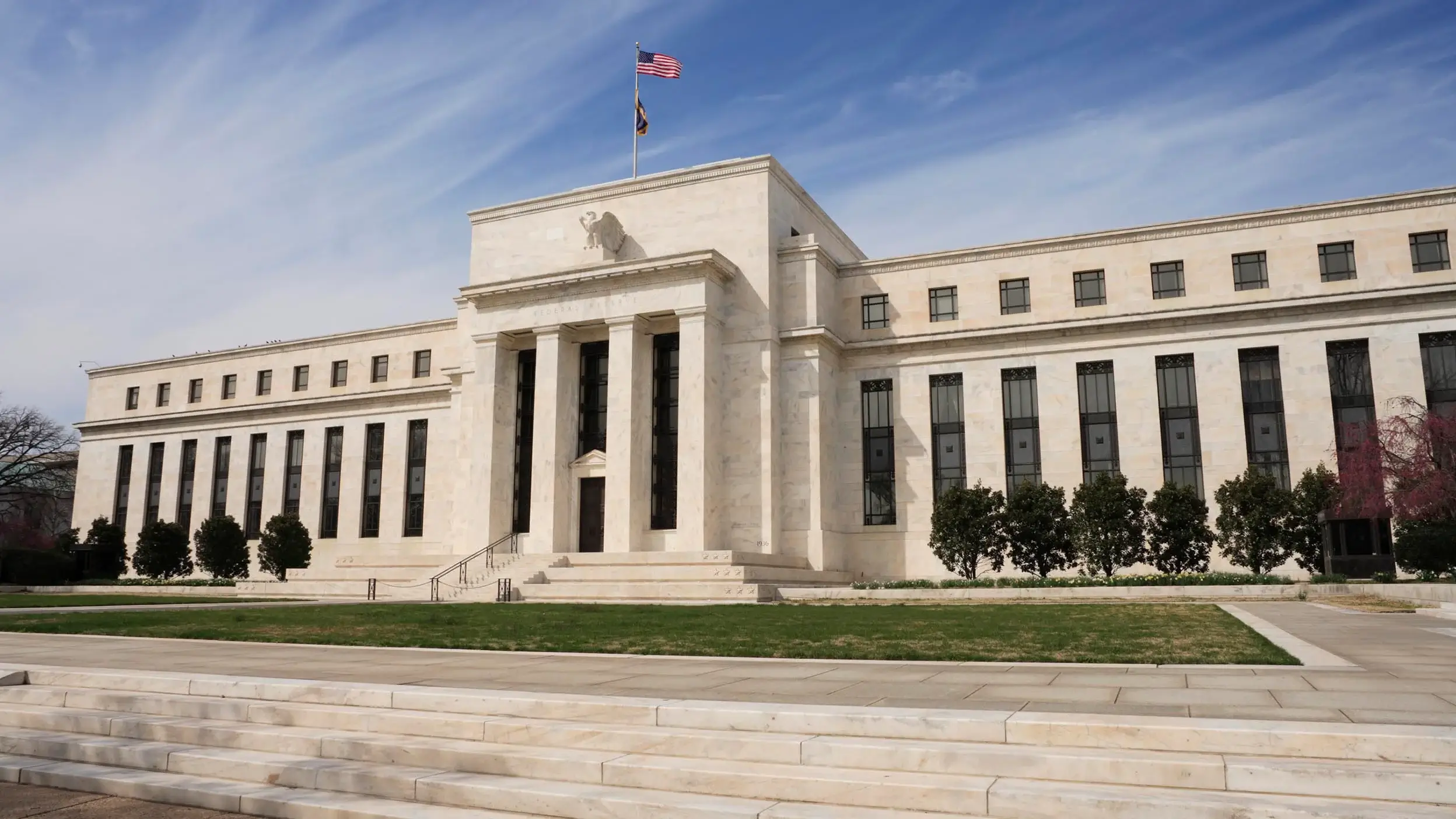
Inflation, a sustained increase in the general price level of goods and services, is a critical factor influencing the U.S. Federal Reserve's (Fed) monetary policy. The Fed's tools—interest rate adjustments, quantitative easing, and similar mechanisms—create widespread consequences across financial markets. Understanding these connections matters for investors, businesses, and policymakers.
The Fed's Dual Mandate
The Fed operates under a dual mandate: to promote maximum employment and ensure price stability. The organization targets 2% annual inflation, deemed suitable for economic expansion without major purchasing power distortion. When inflation exceeds targets, the Fed implements contractionary measures like rate increases. Below-target inflation prompts rate cuts or asset acquisition programs.
How Inflation Policy Impacts Financial Markets
Interest Rates and Bond Markets
Rate increases make borrowing pricier for consumers and enterprises, reducing spending and investment while cooling inflation. In bonds, higher rates typically depress prices—investors demand greater yields on fresh bonds, making older, lower-yield bonds less valuable. Long-term bonds experience more dramatic effects.
Stock Markets
Rising rates elevate capital costs, potentially compressing corporate earnings and making stocks less appealing versus fixed-income options. Growth-focused companies face particular vulnerability since future cash flows are discounted at higher rates. Financial and energy sectors may benefit, with banks gaining from wider lending-borrowing spreads.
Currency Markets
Fed policy directly influences dollar strength. Higher rates draw foreign capital seeking superior returns, strengthening the currency. A robust dollar challenges U.S. exporters through pricing disadvantages while helping importers via reduced import expenses.
Real Estate
Increased rates raise mortgage costs, dampening housing demand and affordability while potentially lowering prices. Real estate investment trusts struggle with elevated borrowing expenses and property valuation declines.
Commodities
Inflation expectations shape commodity values. Precious metals function as inflation protection, while other commodities fluctuate based on demand-supply dynamics influenced by Fed actions.
Investor Sentiment and Market Volatility
The anticipation of Fed actions often drives market volatility. Markets track metrics like the Consumer Price Index and employment data to forecast policy moves. Unexpected shifts create significant portfolio adjustments. The 2022 rate-hiking campaign exemplifies how policy turbulence disrupts equity and bond valuations.
Global Implications
Since the dollar serves as the world's reserve currency, higher U.S. rates can trigger capital departures from emerging markets, pressuring their currencies and escalating dollar-denominated debt expenses. This creates potential instability in vulnerable economies.
Key Takeaways for Investors
Diversification: Maintain diversified portfolios across sectors and asset classes to manage risk during policy shifts.
Focus on Quality: Prioritize quality assets with strong finances and pricing strength that can weather inflation.
Monitor Fed Communications: Pay close attention to Fed statements and economic indicators to anticipate policy changes.
Consider Inflation Hedges: Explore inflation-hedging investments like TIPS, commodities, and real estate.
Conclusion
The U.S. Federal Reserve's approach to managing inflation plays a pivotal role in shaping the financial landscape. While balancing growth and stability, Fed decisions create both challenges and opportunities. Comprehending these market interconnections enables better navigation of economic uncertainty.