
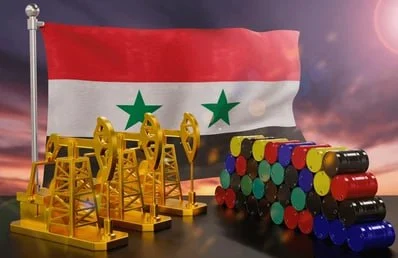
The collapse of the Syrian government sent shockwaves across global markets, reshaping the geopolitical landscape and fueling a surge in the prices of oil and gold. This tumultuous period underscored the intricate relationship between geopolitical instability and commodity markets, offering valuable insights into how uncertainty in one region can ripple through the global economy.
Geopolitical Instability and Oil Prices
Syria has long held a strategic position in the Middle East, serving as a corridor for regional trade and oil pipelines. Though not a major oil producer, its geographic proximity to significant oil-producing nations like Iraq, Saudi Arabia, and Iran makes stability in Syria critical for the smooth functioning of global oil supply chains.
The collapse of the Syrian government created a power vacuum that was quickly filled by armed factions and foreign interventions. This unrest heightened fears of potential disruptions in oil supply routes, particularly pipelines passing through Syria and neighboring territories. Traders and investors, anticipating reduced supply and increased risk, began driving up oil prices.
Moreover, the Syrian crisis amplified tensions between key players in the global oil market, including the U.S., Russia, and Gulf nations. The uncertainty surrounding these geopolitical alignments created speculative pressure, further inflating oil prices. By the end of the initial crisis period, crude oil prices had surged significantly, reflecting both the tangible risks to supply and the broader perception of instability in the Middle East.
Gold as a Safe Haven
While oil prices reacted to fears of supply disruptions, gold prices climbed as investors sought refuge from the uncertainty. Gold has historically been a safe-haven asset, rising in value during times of geopolitical or economic turmoil. The collapse of the Syrian government sparked fears of wider regional instability, including the potential for conflicts to spill over into neighboring countries.
Central banks and institutional investors began increasing their gold holdings as a hedge against currency fluctuations and market volatility. Retail investors followed suit, further pushing up demand for the precious metal. The sustained demand surge led to a dramatic spike in gold prices, with the metal reaching multi-year highs.
Additionally, the Syrian collapse fueled concerns over the U.S. dollar's stability as a reserve currency. With mounting geopolitical risks and the potential for costly military interventions, confidence in traditional financial systems wavered, adding to gold's appeal as an alternative store of value.
Broader Impacts on Commodity Markets
The effects of the Syrian government's collapse were not confined to oil and gold. The crisis also destabilized regional economies, disrupted agricultural exports, and increased the costs of trade in the Mediterranean and Middle East. These ripple effects compounded global inflationary pressures, making raw materials and industrial commodities more expensive.
Furthermore, the realignment of geopolitical alliances during the crisis had longer-term implications for trade and energy policies. For example, Europe intensified its push for energy diversification to reduce reliance on Middle Eastern oil, investing heavily in renewable energy and exploring new gas pipelines outside the region.
Lessons for the Global Economy
The Syrian government's collapse serves as a stark reminder of how interconnected the global economy is with geopolitical events. It highlights energy market vulnerabilities and safe-haven assets' stabilizing role during crises.
For policymakers, the crisis emphasized addressing underlying tensions and developing robust strategies for managing market volatility. For investors, it reaffirmed diversifying portfolios with commodities capable of withstanding geopolitical disruptions.
Conclusion
The collapse of the Syrian government dramatically reshaped the dynamics of global oil and gold markets, with far-reaching implications for economies and investors worldwide. While the immediate surge in prices highlighted the market's sensitivity to geopolitical instability, the event also offered lessons on the resilience of safe-haven assets and the importance of diversifying energy and investment strategies in an increasingly unpredictable world.
Insights by Alan Fletcher, Capital Equity Market Analyst